

Many students work hard every day and still fall behind. The problem is rarely effort. Usually, learners struggle because they don’t receive structured, personalized support that meets them where they are in their learning stage.
Without the right academic support programs, students may find it harder to recover from small misunderstandings. As coursework becomes more demanding, those early gaps can affect future progress.
Here, you’ll find how tutoring benefits students across grades, builds confidence, and develops the kind of study habits that carry them forward well beyond the classroom.
Tutoring Benefits Students: What the Research Shows
Research consistently links structured tutoring to measurable improvements in academic performance. Students who get regular support build a genuine foundation for long-term academic success.
A major reason for these stronger outcomes is the personalized attention students receive during tutoring sessions. Let’s look at how this process works.
How One-on-One Attention Influences Student Learning
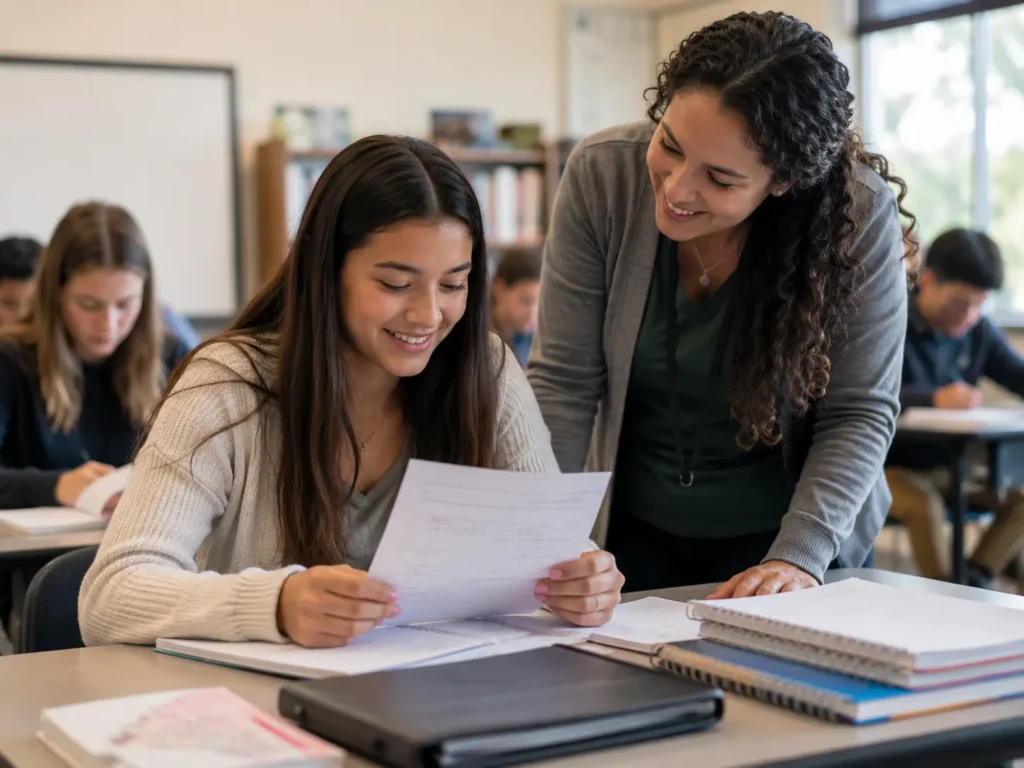
In a crowded classroom, it’s nearly impossible for one teacher to give every child the attention they need. That is just the reality of how most public school settings work. One-on-one attention changes that completely.
With tutoring, the focus shifts entirely to your child. Tutors observe how each student processes information, identify where confusion starts, and adjust their instruction to match individual learning styles. No two students are taught the same way.
That kind of personalized classroom experience is hard to replicate anywhere else. According to Stanford University’s NSSA (National Student Support Accelerator), students who participate in high-impact tutoring can gain the equivalent of 3 to 15 months of additional learning.
Study Skills That Stick Beyond the Classroom
Most students are never formally taught how to study. They sit down with their schoolwork, stare at a page, and hope something sticks. Tutoring changes that pattern from the start.
Through these frequent sessions, students develop work and study habits, such as organizing notes, breaking down assignments, and preparing for exams without cramming the night before. As a result, self-directed learning becomes a natural part of how they approach school.
In our experience, students who develop these skills are better prepared to handle challenging coursework. Many also report feeling less stressed during busy academic periods.
Academic Support Programs: Effective Ways Schools Help Students
Academic support programs come in many forms, and each one serves a different kind of need. The first source is not a tutoring centre but the classroom itself.
Before looking at outside tutoring services, it is worth examining the support already available within public schools.
Can Public Schools Fill the Gap? The Role of In-School Support

Public schools across most school districts do offer some form of academic support. For many families, these programs are the first option they turn to, and for good reason. They are free, accessible, and run by trained educators who already know the students.
That said, in-school programs have limits. Here are the most common types of support public schools offer and what each one looks like in practice:
- After-School Tutoring Programs: Many schools run free after-school sessions where teachers or staff help students work through subjects they are struggling with at their grade level.
- Reading and Math Interventions: These are structured programs designed for students who are performing below grade level, often delivered in small groups separate from the main classroom.
- Small-Group Instruction: Some educators pull out a handful of students during class time to give them more focused help without leaving the full classroom setting entirely.
- Special Education Support: For students with identified learning needs, schools provide individualized plans that outline specific academic accommodations and resources.
The honest reality is that budget constraints in many public schools limit how often and how long students can access these programs. They are a solid starting point, but they rarely replace the depth of one-on-one support.
Many students still need additional learning support to address learning gaps before they widen into long-term academic challenges.
Outside Help That Works: Private and Community-Based Programs
When in-school support is not enough, families often look beyond campus for better options. Because of that, private tutoring services and community-based academic support programs have grown significantly in recent years.
Private tutoring gives your child access to a dedicated person who works around your schedule. It focuses entirely on your child’s needs and adjusts strategies session by session based on real progress. Community-based programs, on the other hand, tend to offer more affordable or even free guidance for families who need the right resources without a heavy price tag.
Both options work best when used alongside regular school learning. Think of them less as a replacement and more as an additional layer of support that fills in the gaps that a busy classroom simply cannot cover.
How Do You Measure Success? Tracking Student Performance
Grades are important, of course, but they only tell part of the story. Academic success also shows up in a child’s confidence, their attitude toward schoolwork, and how willing they are to keep trying when something gets hard.
Moreover, parents and tutors should set clear, trackable goals before academic support even begins. So, regular check-ins between families and educators help keep everyone aligned. They also make it easier to adjust the plan when something is not working as intended.
With that in mind, below are two practical ways to look at progress more clearly.
Positive Changes That Reflect Student Progress
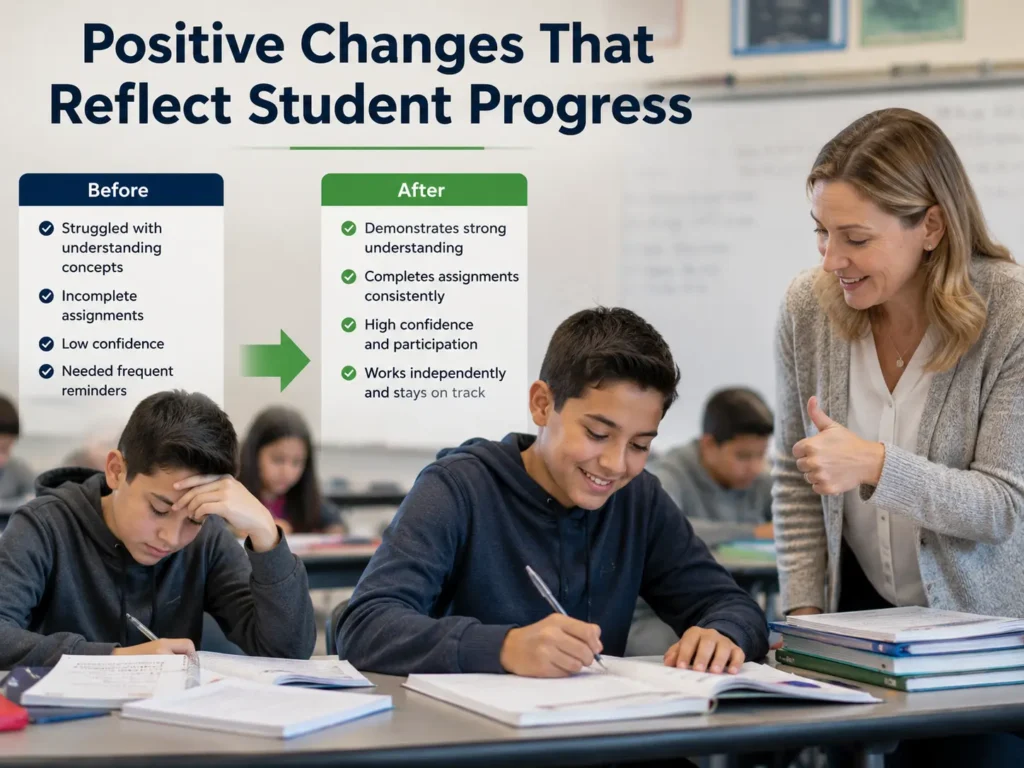
A child’s attitude toward school is often the first thing that shifts when tutoring is working. Before grades move, you’ll notice a new willingness to attempt difficult tasks. That alone is a strong signal.
Let’s see some positive signs that show academic growth:
- Increased Focus During Study Time: Your child sits down to do schoolwork with less resistance and stays on task for longer without needing constant reminders or redirection.
- Greater Independence With Assignments: Students who are growing academically start completing schoolwork on their own, without waiting for a parent or tutor to walk them through every step.
- Reduced Anxiety Around School: A supportive tutoring relationship helps students feel more confident going into tests, classes, and even interactions with classmates and peers.
- More Positive Engagement With Learning: Your child begins to ask more questions, show curiosity about subjects, and engage with lessons in a way they did not before.
These shifts do not always show up in a grade book right away, but they are reliable indicators that something is changing. Parents who notice these signs early can feel confident that the support is moving in the right direction.
Looking Beyond Grades: Signs That Academic Support Is Working
Many of the benefits of academic support appear in a student’s daily habits, confidence, and approach to learning. These changes often provide early signs that a support plan is moving in the right direction.
Here is a quick look at what structured tutoring brings to the table:
What Tutoring Builds | Why It Matters |
Confidence and positive attitude | Students engage more and stop avoiding difficult subjects |
Strong study habits and skills | Prepares your child for college, university, and beyond |
Closing learning gaps | Prevents small challenges from becoming bigger academic setbacks |
Access to the right resources | Gives your child personalized guidance that classroom settings rarely provide |
When these improvements begin to appear, they often create a stronger foundation for future academic growth. Tracking both academic results and behavioural changes gives families a more complete view of student progress.
Your Child’s Next Step Starts Here
Extra academic support is one of the most reliable ways to help students reach their full potential. Families who act early give their children an advantage, not just in school performance, but in confidence, relationships, and long-term career goals too.
Early support can make learning challenges easier to address. Students have more time to build skills and strengthen weak areas. Families also gain a clearer understanding of what support their child needs.
At Somali CSC, our teacher-led consultative support is built around your child’s individual learning needs. We do not do one-size-fits-all programs. Every session is designed to meet your child where they are and help them succeed at their own pace.