

Students struggle without structured learning support because they have no consistent system to fall back on when the classroom isn’t enough. Academic struggles students face often go unnoticed until grades drop. By then, confidence takes a hit too. Once that gap opens up, catching up becomes a real challenge.
The system isn’t designed to catch every student who falls behind. School staff is stretched thin, and individual learning gaps rarely get the attention they need. Students who don’t fit the fixed pace get left behind.
This article walks through why so many students struggle, why those academic challenges worsen over time, and what parents, teachers, and schools can do to help.
Stick till the end to get your doubts answered.
The Academic Struggles Students Hide Every Day
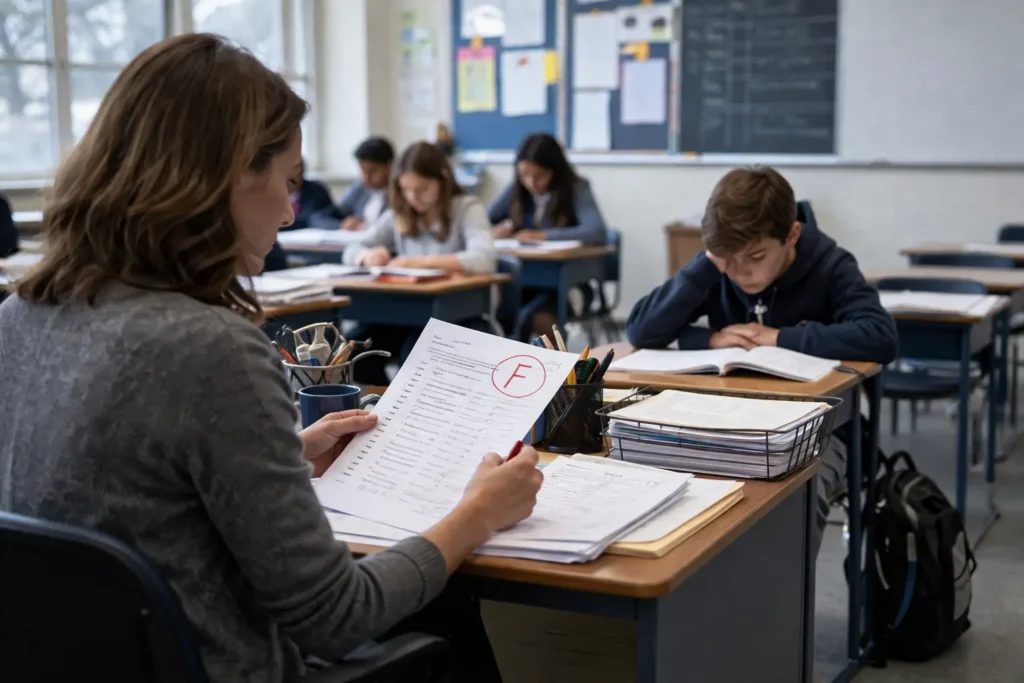
As we mentioned earlier, by the time teachers or parents notice, the learning gaps are already wide enough to affect grades, confidence, and daily school work. The signs are often there, but they just get misread.
Let’s look at the three reasons why this is happening. Also, bear in mind, it’s less likely the students’ fault.
They Get Labelled Instead of Helped
Academically struggling students are frequently misidentified as having behavioral problems. That misread costs them months. Instead of getting targeted support, they get disciplinary action.
And no, telling a student to “just focus more” has never once closed a learning gap (And yes, “just try harder” is still somehow considered advice).
Early identification gives teachers a real chance to connect struggling students with the right resources before things get worse.
The Classroom Makes It Hard to Speak Up
Students feel real pressure to keep up with their peers. Asking for help in a full classroom feels risky. It feels even riskier for students who already sense they’re two steps behind.
Our findings show that students learn better in low-pressure environments where asking questions is genuinely encouraged.
What’s more, when schools build that kind of culture, more students speak up early, and fewer fall through the cracks.
Schools Don’t Always Have the Staff to Catch It
Many schools don’t have enough staff to give every struggling student individual attention. The average student-to-teacher ratio in U.S. public schools sits around 15 to 1. That’s a lot of ground for one teacher to cover. With those numbers, spotting individual learning gaps early is very difficult.
That’s why external support, like tutoring or structured academic programs, fills a role that classroom teachers simply can’t always cover alone.
How Learning Gaps Widen When Students Fall Behind
Learning gaps widen when students miss foundational concepts, and nobody steps in to address them. Each new topic builds on the last. So when a student misses something early, the next lesson becomes harder, and the one after that harder still.
It usually plays out like this:
- Missed Foundations: A student who doesn’t fully understand fractions in fourth grade will struggle with algebra in middle school. That’s how math is structured. Each concept builds on the previous one, and teachers rarely have time to go back mid-lesson.
- No Structured Catch-up Plan: Schools move forward on a fixed schedule, regardless of whether every student is ready. Without a structured plan, struggling students lose more ground every single week. Put simply, falling behind once makes falling behind twice a lot easier.
- Cross-subject Impact: Knowledge gaps don’t stay contained to one subject. A student with weak reading comprehension will struggle with science, history, and math. Our experts say that these gaps grow much wider across all subjects without timely, targeted support.
The earlier a gap gets addressed, the less ground a student has to make up. Left alone, learning gaps don’t just affect one subject. They affect how a student approaches school altogether. That’s what the next section gets into.
How Structured Support Improves Academic Performance
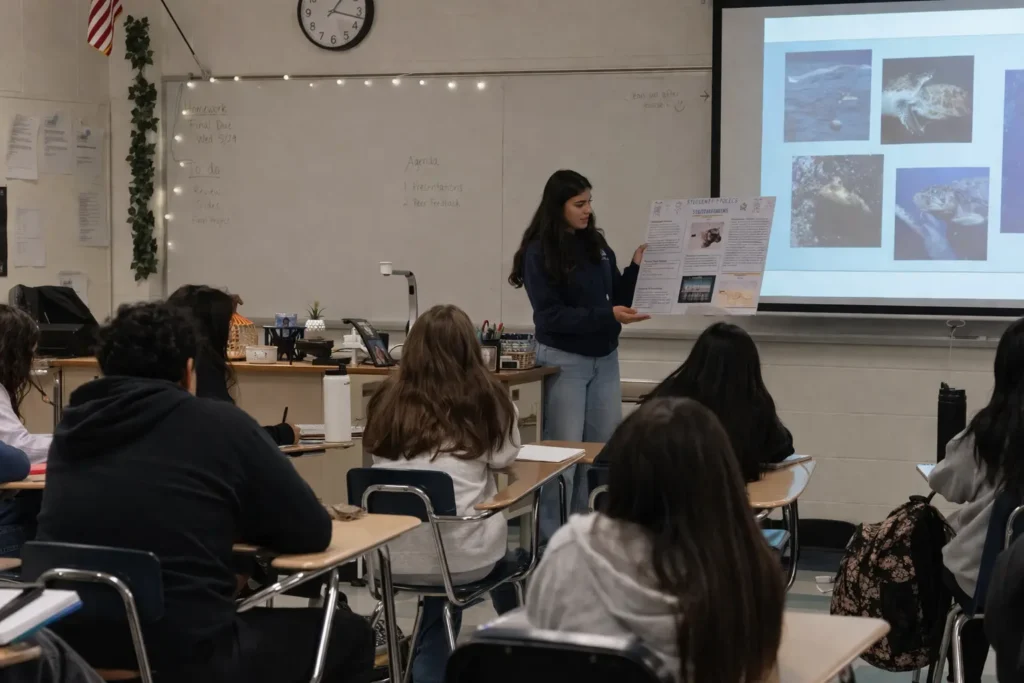
When students get consistent support, academic performance improves across every subject. On top of that, they are more likely to complete projects, develop critical thinking skills, and stay genuinely engaged with school work. Those improvements show up in grades and in confidence.
Without that guidance, academic performance drops, and students find themselves further behind with every passing week. In our experience, the students who fall furthest behind are rarely the least capable (by the time poor performance shows up on a report card, the gap has usually been growing for months).
High-impact tutoring research shows structured support leads to measurable gains in student performance. It also builds the problem-solving and critical thinking skills that college and working life will demand.
Why College Students Face a Different Kind of Pressure
College students face a different kind of pressure because the support structures that existed in high school simply disappear. There are no teachers following up on your missed assignments, and no parents tracking your progress. That shift catches many students completely off guard.
The table below breaks it down.
|
Pressure |
How It Affects Students |
Support Often Missing |
|
Part-time Jobs |
Less time for schoolwork |
Flexible tutoring options |
|
Self-directed Learning |
No guided structure to follow |
Academic mentorship |
|
High Expectations |
Anxiety and burnout |
Mental health resources |
|
New Environment |
Social adjustment struggles |
Peer support programs |
The reality is, most of these pressures hit all at once during the first year. That’s a lot to manage. A student juggling a part-time job alongside a full course load has very little time left for self-directed learning or building problem-solving skills.
And without academic mentorship, many college students don’t realize they’re falling behind until their grades already reflect it. By then, catching up is twice as hard.
The Link Between Mental Health and Student Progress
Poor mental health is one of the most overlooked reasons student progress stalls. It doesn’t show up on a report card, and it rarely gets flagged in a busy classroom. But its effect on how a child learns is very real.
Three patterns show up consistently:
- Concentration and Retention: Chronic stress physically affects the brain’s ability to store and recall information. That’s not a theory. In fact, students with high stress levels have measurably lower working memory, which affects how well they learn new concepts and perform under pressure.
- Grade Decline: Students dealing with anxiety or depression are three times more likely to fall behind their peers. As a result, grades drop gradually, then suddenly. The reality is, most students don’t ask for help because they don’t think help is coming.
- Staff Limitations: The U.S. averages one school counselor for every 408 students. Nearly double the recommended ratio. With those numbers, many struggling students go unnoticed for months.
When mental health goes unaddressed, academic performance follows. The next section looks at what schools and parents can do to create better opportunities for students.
How to Create Opportunities That Drive Student Success

Schools create real opportunities for students by combining structured academic support, consistent professional development, and activities that build skills beyond the classroom. None of those things happens by accident. They require deliberate planning at the school level, and the difference shows up directly in student outcomes.
Here are three ways that work.
Extracurricular Activities Build More Than Skills
Extracurricular activities give students a space to develop problem-solving, teamwork, and communication skills outside the classroom. Students who participate regularly show stronger academic performance and better time management than those who don’t.
And yet, most schools don’t treat extracurricular programs as an academic priority. That’s a missed opportunity, because the connection between engagement and academic performance is well documented.
Professional Development Strengthens the Whole School
When school personnel receive consistent professional development, they get better at identifying learning gaps early.
Better-trained educators also bring more effective strategies into the classroom, which means students get targeted help rather than generic instruction. That’s a meaningful difference for students who are already struggling.
Consistent Systems Keep Students on Track
Structure is what separates students who recover from those who don’t. We’ve seen firsthand how a consistent weekly structure can shift a student’s results within one term.
Bottomline: student success improves when schools build consistent support systems that students can rely on week after week. Without that consistency, progress stalls.
Progress Starts With the Right Help
Students across every grade level face real academic challenges. Without proper support, those challenges grow quickly. The gap between struggling and succeeding widens fast, but structured academic guidance produces measurable, real results. Solutions exist, and they genuinely work.
This article covered why struggles go unnoticed, how gaps widen over time, and why mental health affects student progress. College pressure plays a real role, too. Structured support addresses all of it, consistently and practically.
At Somali CSC, we have guided students and families through every step of their academic journey. Our hands-on approach builds confident, capable learners. Our team brings the structure, consistency, and support that students need to move forward and perform at their best.
Your student’s next step starts here.