
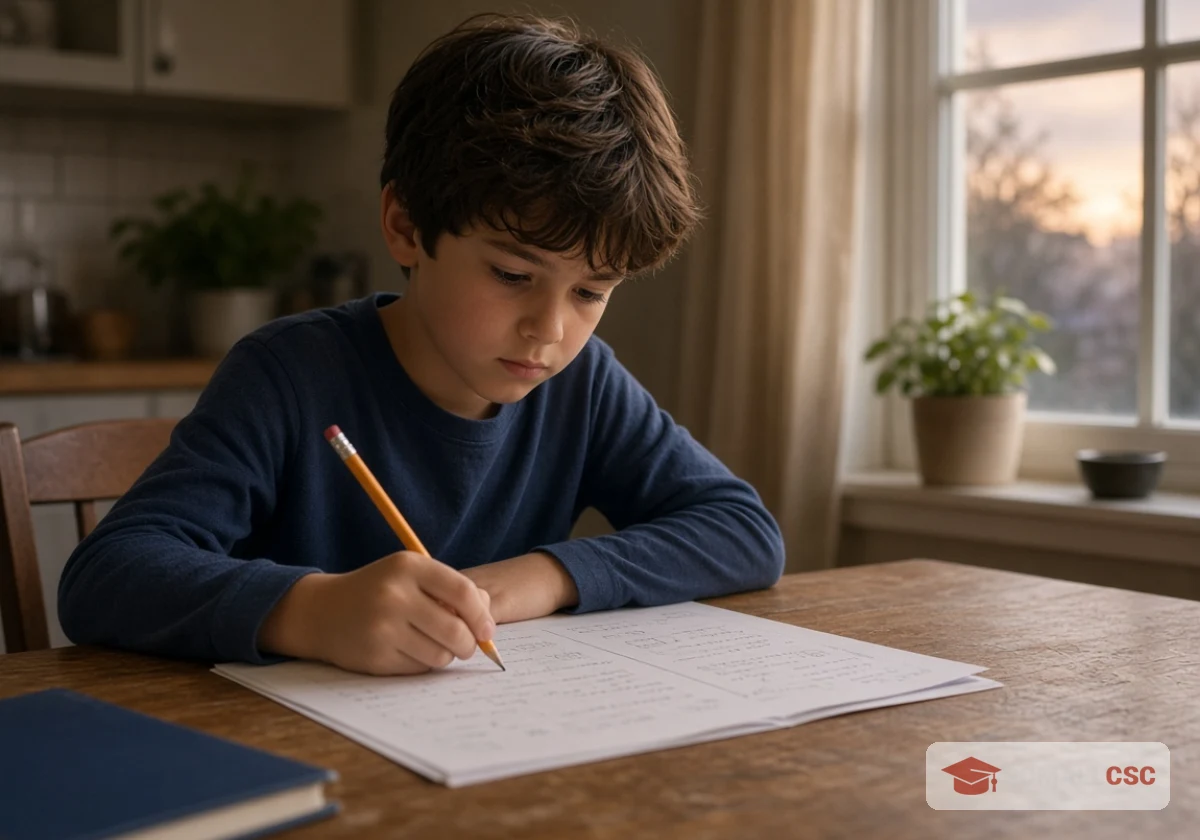
A child can nod through a fractions lesson and still stare at the first homework problem until dinner goes cold. Most of the time, the stall has little to do with ability. The gap lies between following a lesson with a teacher’s support and recalling the method alone at home.
Many parents respond by reteaching the whole lesson, yet that kind of homework help rarely clears the stall. At Somali CSC, we offer homework assistance and academic support to families who hit this wall on school nights.
This guide explains why students freeze once the teacher leaves the room. You will also learn how to match support to each kind of stall and spot when a hidden learning difficulty sits beneath it.
Following a Lesson and Doing Homework Alone Are Two Different Skills
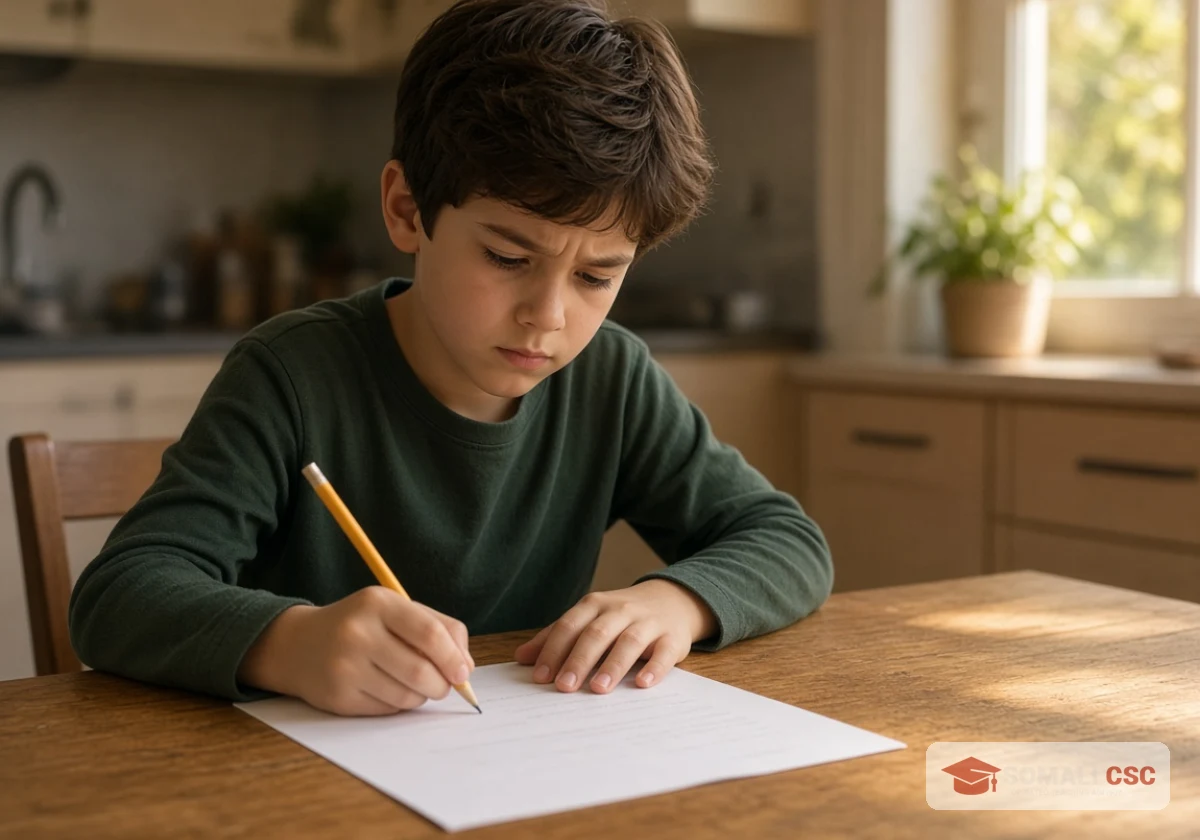
In class, your child follows each step while a teacher lays the method out in order. Homework asks for more. Your child has to pull the method from memory, choose where to start, and check each step without a prompt.
The jump from following to recalling explains why “I get it” at 3 p.m. turns into “I don’t know how” at 7 p.m. During the lesson, the worked example stays on the board. Your child only has to match each new step to the model in front of them. At home, the page shows the question alone, and recall takes more practice to build than recognition.
That’s why rereading notes or rewatching the lesson rarely helps, even though both feel productive. They train your child to recognize a correct solution, while homework needs them to recall the steps without looking.
A quick recall check before dinner shows where the learning stops. Close the notebook and pick one homework question from tonight’s sheet. Ask your child to say the first step out loud before writing anything. If they can’t name the step, you will know the method needs more practice before the rest of the sheet.
Why Do Students Freeze on Homework When the Teacher Isn’t There?
The classroom supplies three supports at once: cues on the board, a worked model, and a teacher to ask. At home, all three disappear together, and the sudden loss overloads a skill your child is still building. Evenings also bring fatigue and the private worry of getting answers wrong. Each stall has its own cause, so the right fix depends on the pattern you notice.
The five causes below each come with one fix you can try at the kitchen table tonight.
Classroom Cues Vanish at the Homework Table
During a lesson, your child borrows cues from the board, the teacher’s tone, and classmates working on the same page. At home, none of those reminders is on hand. A first step that felt obvious at 10 a.m. now has nothing to prompt it.
Copy one worked example from class onto the top of the homework sheet. With a model in view, your child can trace the logical steps from the very first line. A sticky note on the page works just as well, and your child can move it from sheet to sheet.
Is Working Memory Running Out Before the Homework Problem Ends?
Often, yes. Working memory is the mental space where your child holds each step of a problem. Long math problems can fill it before the end. A stall halfway through usually means it has run out.
Have your child write each step down before starting the next one. The page then holds what memory can’t, and your child can glance back at earlier steps. Complex concepts often feel easier once the working is visible on paper.
Questions Left Unasked in Class Come Due at Homework Time
Plenty of kids skip asking questions in class because they don’t want to look slow in front of friends. Any confusion they let slide in class becomes the exact step they can’t pass that night.
Ask your child to star any step that felt shaky in class, either in their notes or on the homework sheet. Homework then starts there while you sit nearby to talk it through. If the same step keeps getting a star, raise it with the teacher at the next check-in.
Fear of Getting Homework Wrong Shuts Thinking Down
Worry about mistakes is common, and for some children it reaches a diagnosable level. According to CDC data on diagnosed anxiety in children, 11% of kids ages 3 to 17 had a current anxiety diagnosis in 2023 to 2024. CDC lists anxiety among the most commonly diagnosed mental health conditions in children.
Milder nerves can still make a child hold back to avoid a wrong answer, and homework stress builds each night it goes unnoticed. Praise the attempt first, then correct the method together. Keep a calm tone when an answer is wrong, since your reaction teaches your child whether mistakes are safe.
A Tired Brain at 7 p.m. Struggles With Homework
By evening, your child has spent hours following instructions, and the focus they used in class has run low. Homework that starts after dinner and screen time asks a worn-out brain for its hardest work.
A short snack break straight after school gives your child a reset while energy is still high. Tackle the toughest subject next, such as math or chemistry homework. Easy reading can wait until later in the evening, when the brain starts to wind down.
Matching Homework Help and Tools to the Way Your Child Freezes
Once you spot the pattern behind the stall, you can choose support that targets the cause. Many families reach for an AI homework helper first, since it shows step-by-step solutions in seconds. Copying those answers, though, skips the recall practice your child needs.
Use the table below to pair each type of stall with a matching support.
| How Your Child Stalls | Support That Fits | What It Looks Like in Practice |
|---|---|---|
| Can’t start without a model | A worked example nearby | One solved problem sits at the top of the page |
| Loses track mid-problem | Writing out each step | Your child writes a step before starting the next |
| Stuck on one missed concept | One-on-one tutoring online or on-site | A tutor reteaches the skipped step, then watches your child try it |
| Freezes from worry | Praise for the attempt | You praise the effort first, then fix the method together |
| Fades late in the evening | An earlier start | Homework begins after a snack, well before dinner |
Pay closest attention to the missed-concept row, because a skipped step resurfaces in every later unit. In our tutoring sessions, students talk through one problem aloud so the tutor can hear where the method breaks. The tutor then gives step-by-step explanations until your child can start the problem alone.
Learning Difficulties: When Students Hide Homework Gaps Behind a Confident Face
Some stalls come from a learning difficulty your child has gotten good at hiding in class. Bright, sociable kids may copy a neighbor’s first step and answer only when they feel sure. Teachers then see a confident student who seems to keep up.
The disguise holds in class because most tasks are short and shared with classmates. Homework removes that cover, since nobody sits close enough to copy from. Our tutors regularly meet students with solid report cards who can’t start a single problem on their own. If you have ever found a half-finished worksheet crumpled at the bottom of a backpack, you have seen the hiding in action.
Diagnosed learning disabilities are also more common than many parents expect. According to NCES figures on students with disabilities, specific learning disabilities made up 32% of special education students in 2022 to 2023. That made them the most common category NCES reported for the year. Milder learning difficulties may never reach that level, yet they can still slow homework every night.
Before you change your approach, look for these five signs at home:
- Reading Aloud Unlocks Answers: Your child gets stuck on a written question but answers once you read the question aloud. A gap like this can point to reading or decoding trouble. You should mention the pattern to the teacher and note which subjects show it most.
- Classwork and Homework Don’t Match: Strong classwork comes home beside blank or heavily erased homework sheets. The contrast suggests your child leans on classroom support to get through tasks.
- Repeat Mistakes Show Up: The same errors appear in math homework week after week, even after correction. Repeated slips often point to one concept that never fully landed. You can circle each repeated error and keep the pages together for the teacher.
- Simple Tasks Take Too Long: Short assignments take far longer than the teacher expects. A 10-minute worksheet stretching past an hour is worth recording.
- Homework Keeps Getting Pushed Back: Your child asks to do homework “later” nearly every night. Frequent delay can hide a task that feels impossible to start, so note which subjects your child avoids most.
Track which signs appear over two weeks, and keep samples of the worksheets that show them. Share that record with your child’s teacher before asking about an evaluation, so they can compare it with classwork.
Start With One Small Homework Change Tonight
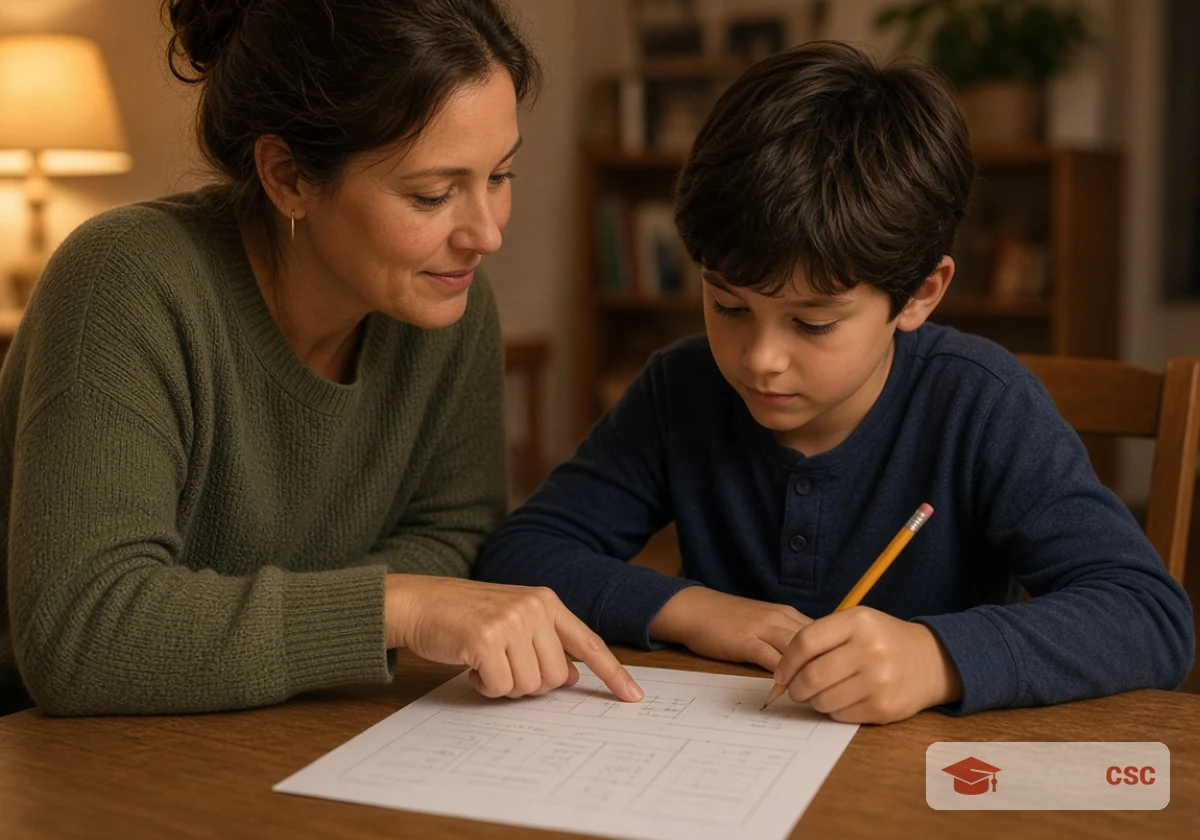
Pick one change from this guide, such as a worked example at the top of the page. Stick with it for a full week, so you can compare one night with the next. Watch how your child starts the first problem each evening and note any shift. If the stalls continue after that, the gap will likely need one-on-one support.
Get in touch with Somali CSC for tutoring, reliable homework help, and academic support. Our tutors work through homework problems with your child until the method sticks, and they can start alone. Steady, independent practice builds the confidence behind better grades and long-term academic success.